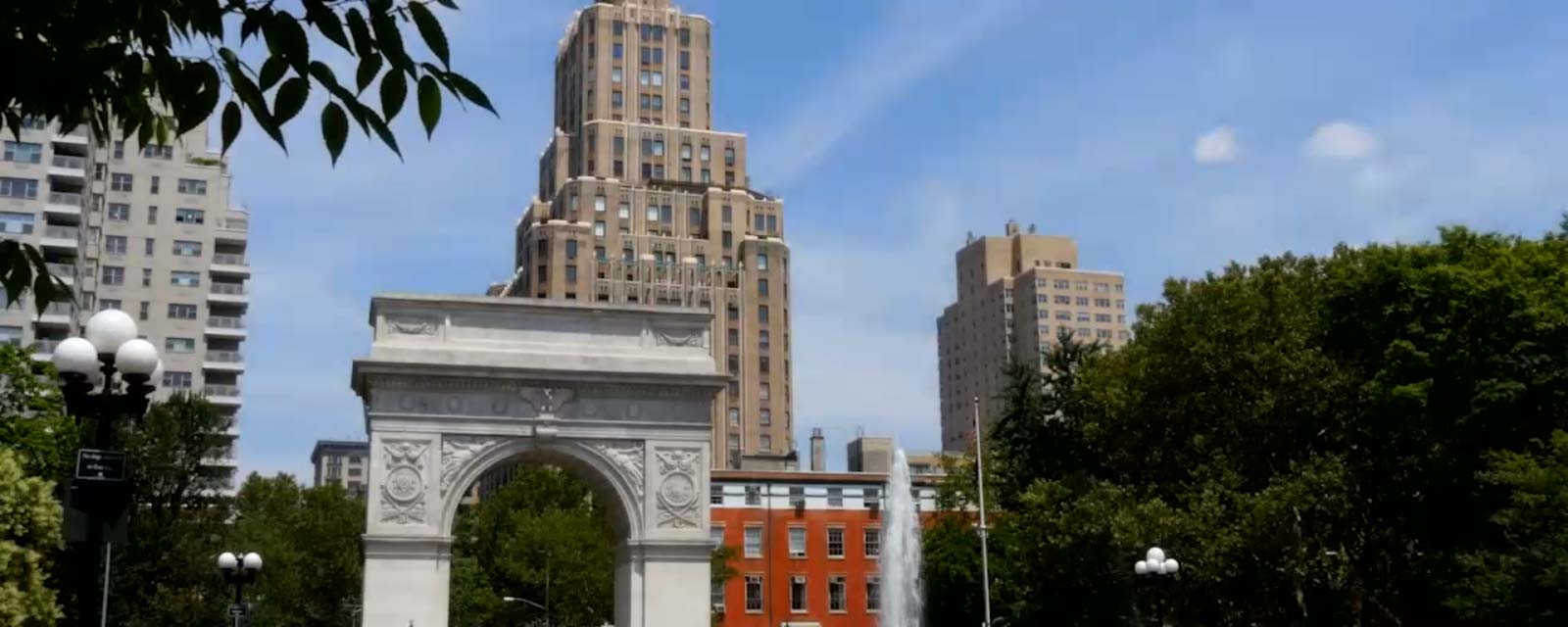
NYU’s Arthur L. Carter Journalism Institute is for the curious, the restless investigators, the ones who never stop asking why.
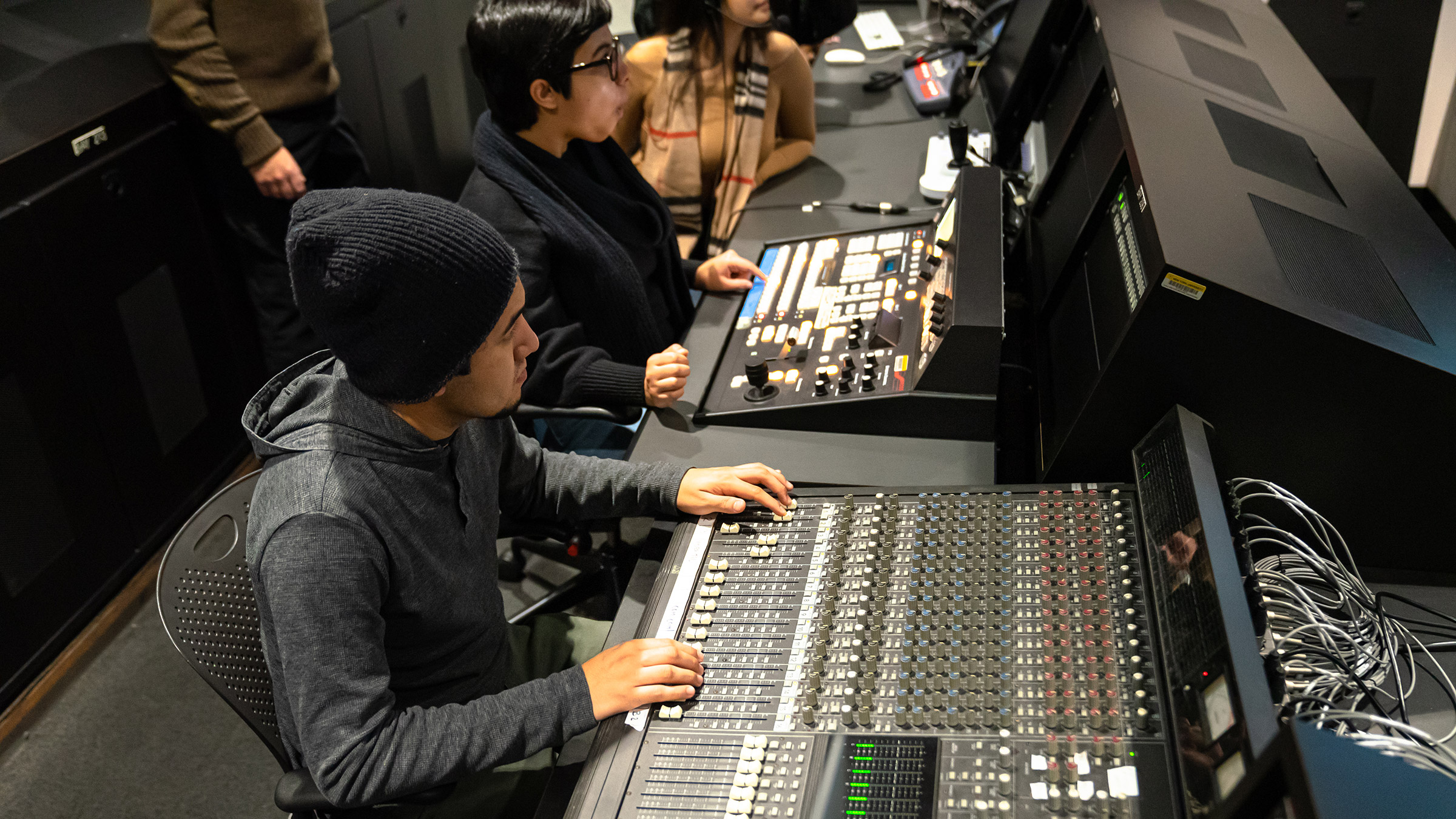
They are guided by award-winning faculty who are major players in the industry, a diverse team whose talents and accomplishments have put them at the top of their field. NYU Journalism students experience their dedication firsthand, as they thrive in an environment that combines rigorous classroom learning with professional internships to produce inquisitive, career-ready journalists.
Learn About Our Programs:

NYU Journalism students are pulled to where we are: New York City, the media center of the world.
Our city is the undisputed global magnet for the best and the brightest and provides unrivaled access to internships and opportunities—as well as our robust network of successful journalism alumni.
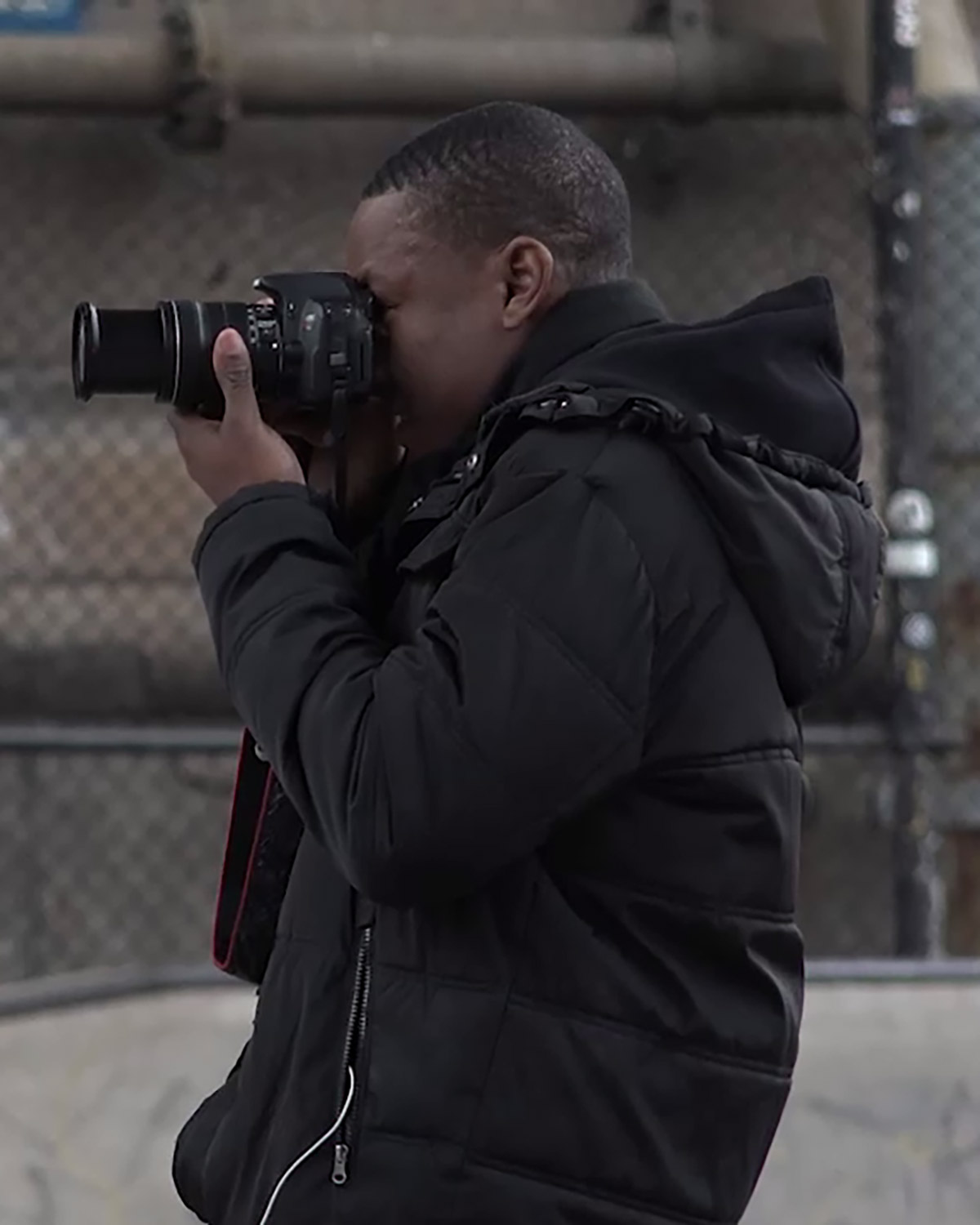
Our Online Master’s in Journalism Brings the City to You
Students in NYU’s American Journalism Online Master’s Degree program report from wherever they are, as they learn from the nation’s top journalists and gain (virtual) access to all the New York City media industry has to offer.

2025 Year
in Review
Looking back at the achievements of
our students, alumni, faculty, and staff.
View the Year in Review
Faculty Work
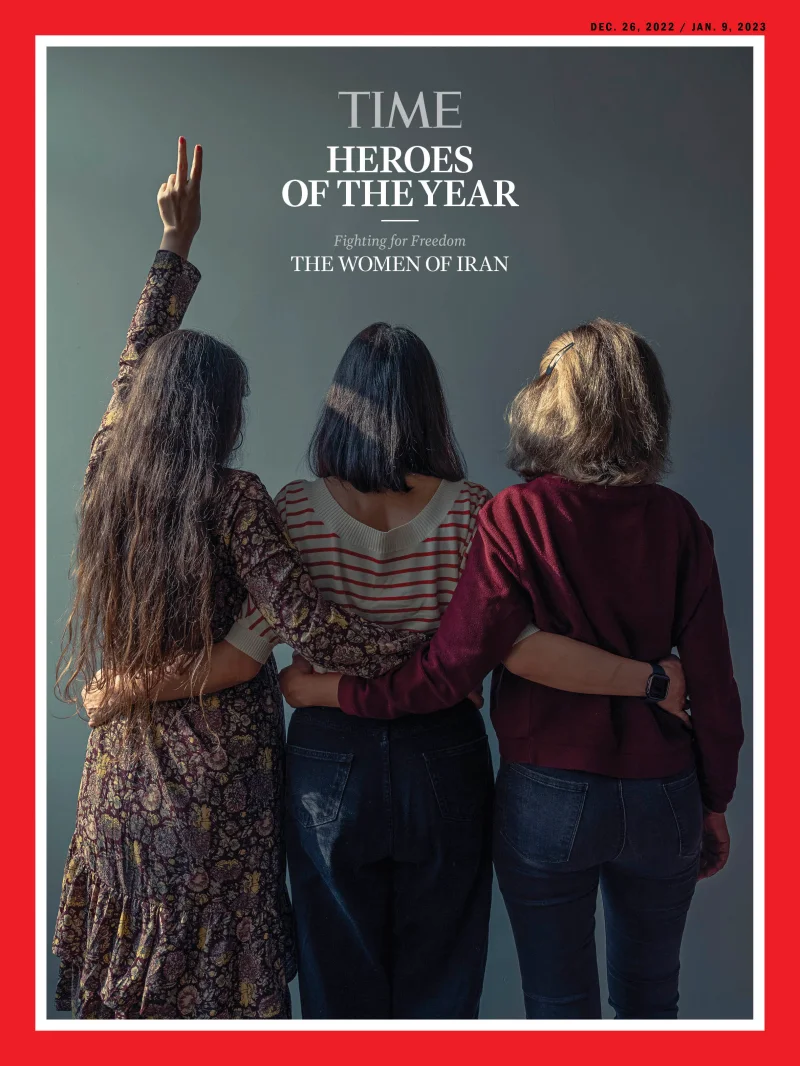
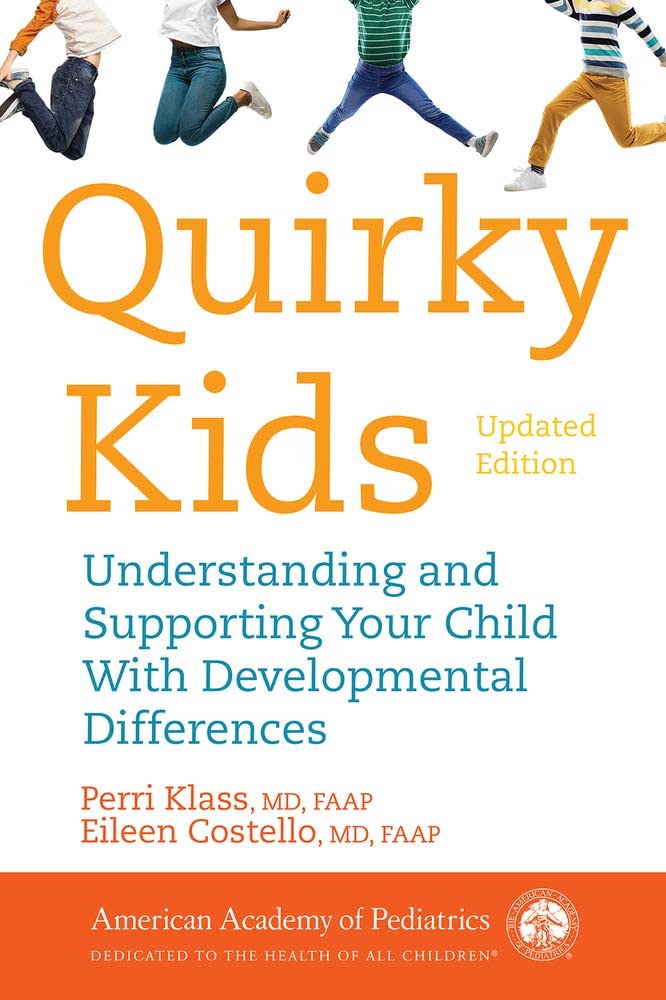
Our faculty are drawn from the top working journalists in the United States. They represent every aspect of the field, from science reporting to cultural criticism, and work across print, digital, and audio platforms.



Students
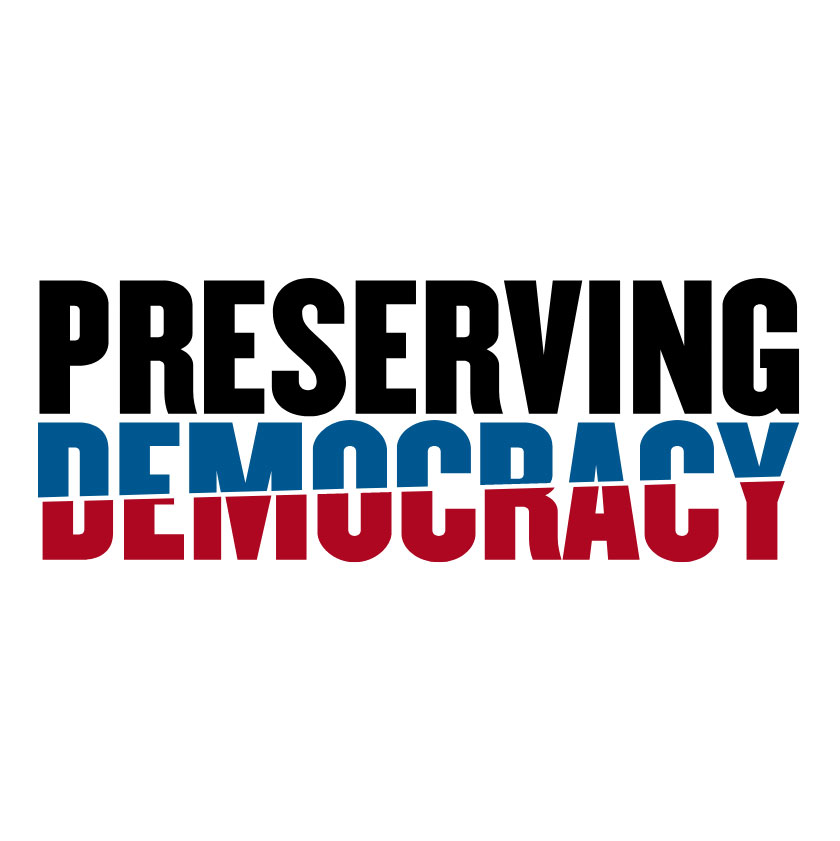
Our students are the future of journalism. Bold, curious, and relentless, they find a way to tell the story.


Our Work
The Arthur L. Carter Journalism Institute offers many outstanding publishing platforms for its students and faculty. Among them are PressThink, Jay Rosen’s take on the media industry, and First Amendment Watch, which covers the many free speech and press conflicts going on today. Others like Pavement Pieces, The Click, and ScienceLine are associated with specific graduate concentrations. Still others are platforms for specific classes or for ambitious class reporting trips. They add up to many opportunities to publish outstanding work.
Recent Published Work
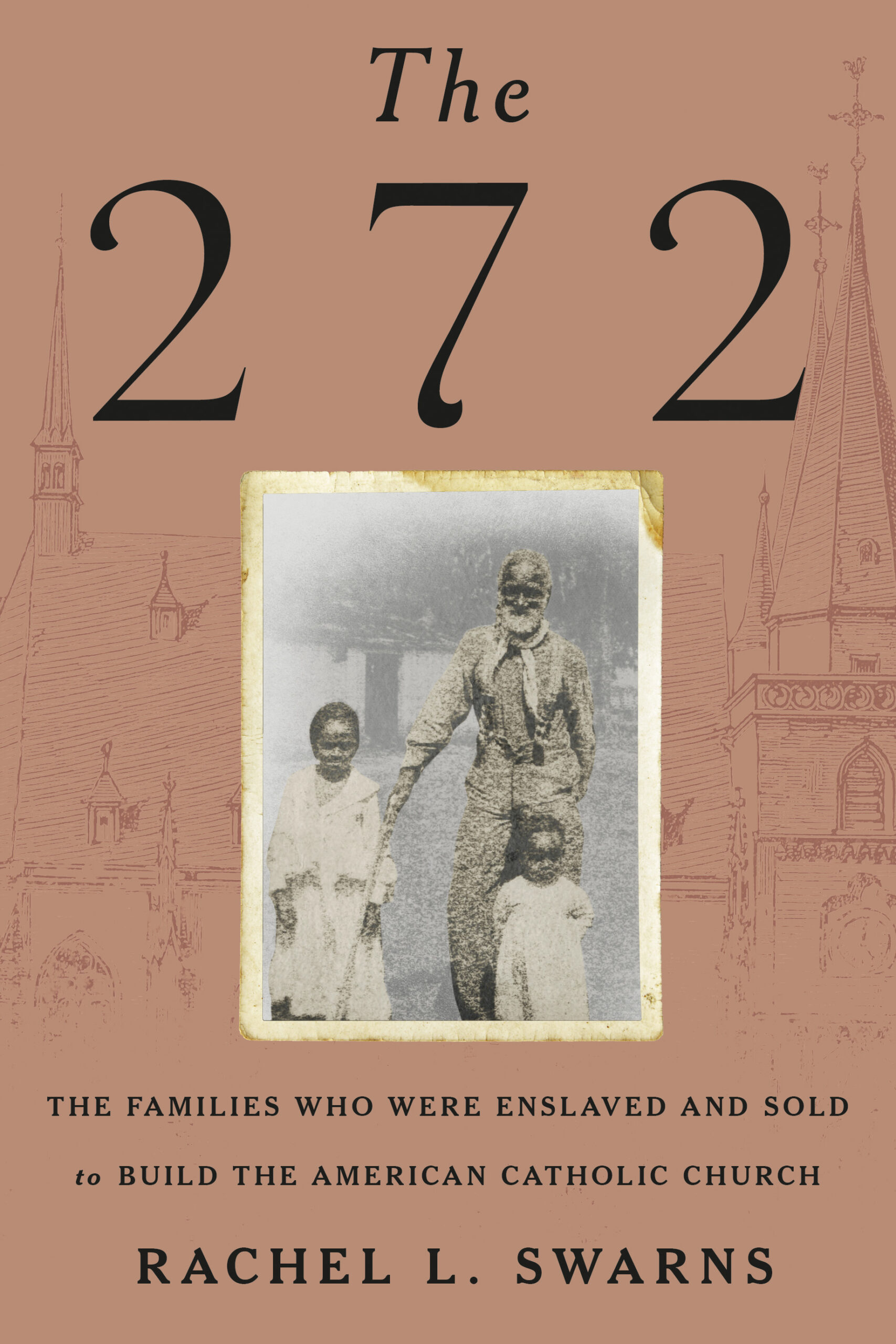
Our faculty and students are active and regular contributors
to top national and international publications.



Events
NYU journalism events bring together working journalists, authors, filmmakers, and students in a lively forum that explores current events, new work, and industry trends.
Upcoming Events
Information and RSVP details for all upcoming events are available on the NYU Events Calendar.
Graduating this spring? Attend our celebration at 20 Cooper Square on May 14th. Learn More
Diversity at NYU Journalism
Meet some of our students on Instagram and engage with us and tell us how we as a community can move forward in an inclusive and meaningful way.
Featured News
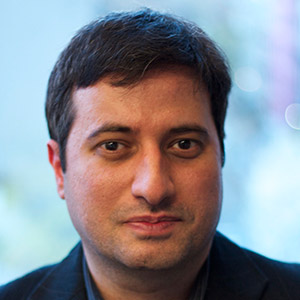
Prof. Mohamad Bazzi wins award from the National Society of Newspaper Columnists
Mohamad Bazzi, an Associate Professor of Journalism and Director of NYU’s Hagop […]
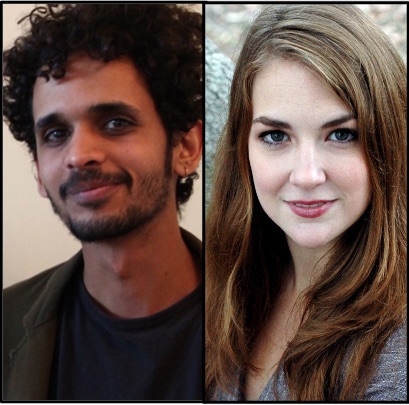
Two SHERP grads awarded investigative grants
Rachel Nuwer (SHERP 2011, SHERP Faculty) and Jonathan Moens (SHERP 2020) were […]
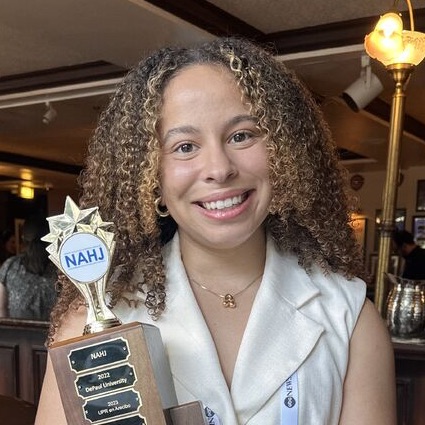
Incoming SHERP student Avril Silva wins scholarship, award at NAHJ conference
Silva was awarded the inaugural Lori Montenegro Scholarship by the National Association […]
Professor Jason Samuels’ prime-time news special, The BET Black Men’s Summit, received a 2025 NAACP Image Award nomination.
The BET Black Men's Summit received the nomination for Outstanding News/Information (Series or Special).

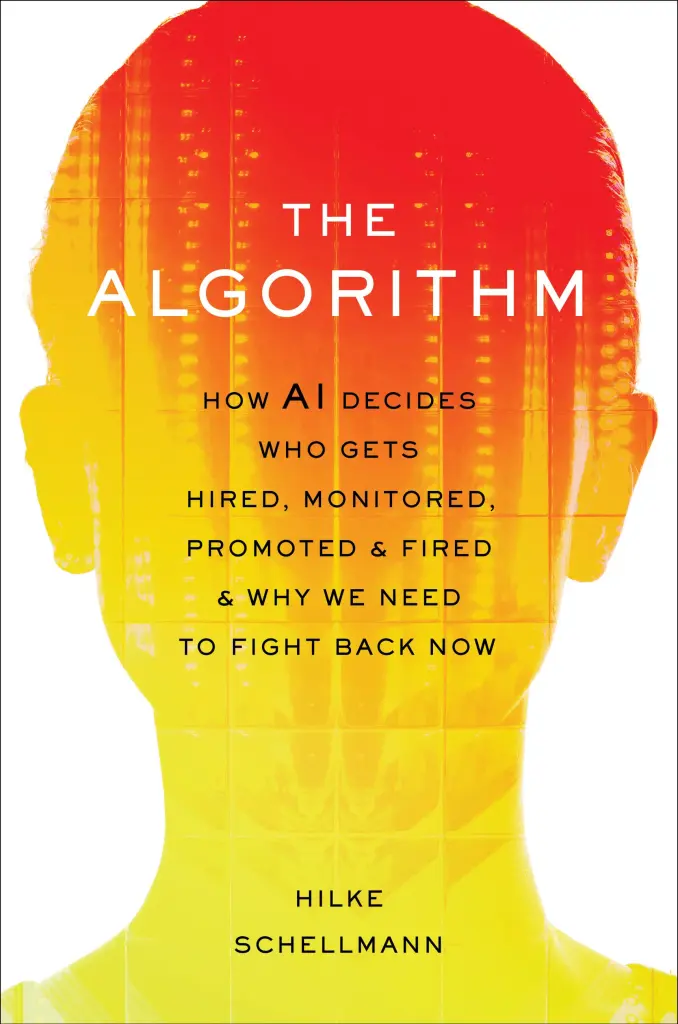
The Financial Times included Hilke Schellmann’s book in their Best books of 2024: Business
The book was awarded a Bronze Anthem award in the Responsible Technology category.
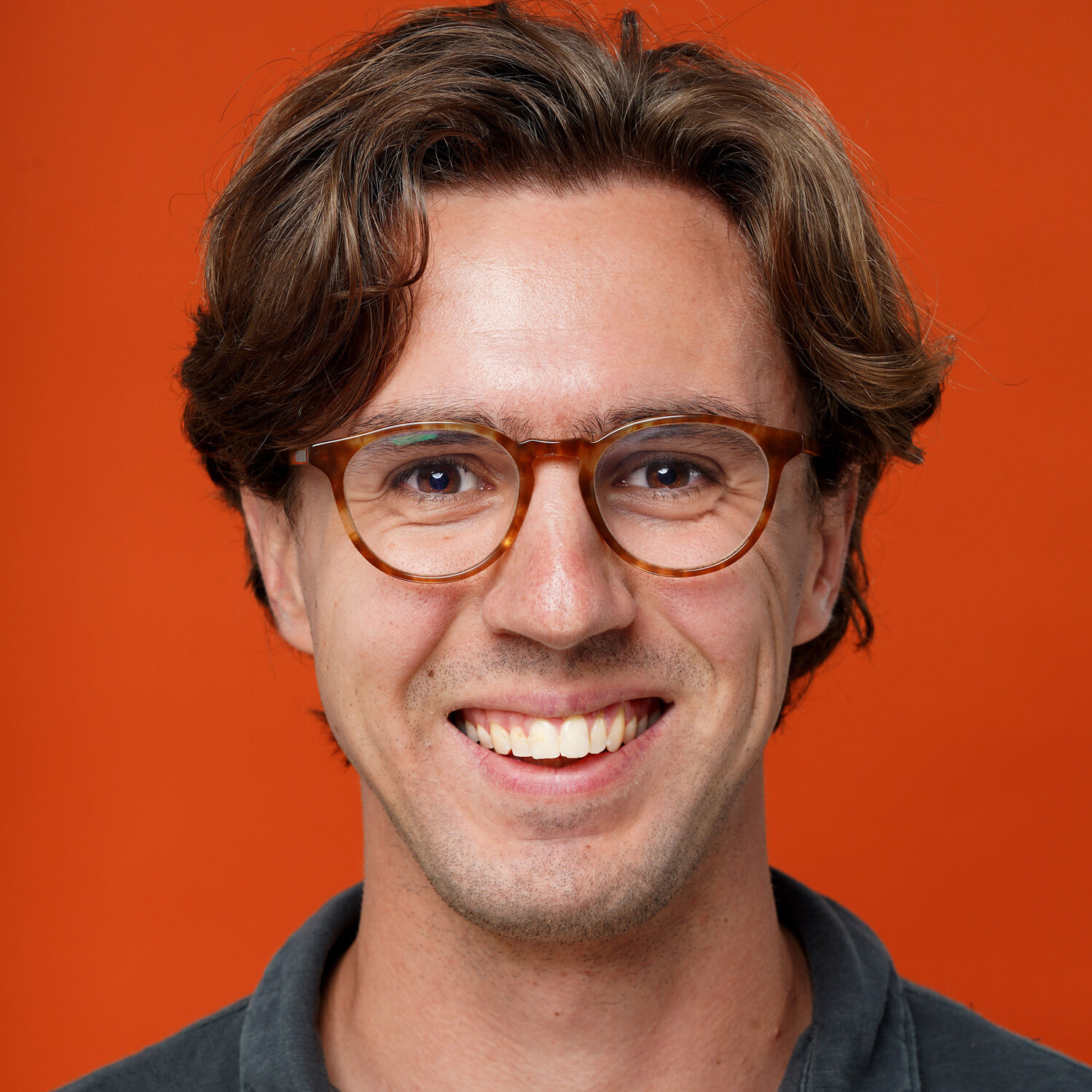
Adam Willis, the winner of the 2023 Matthew Power Literary Reporting Award, has published his 6,500-word story about North Dakota’s experiment with carbon sequestration
The piece was published in in Bloomberg Business Week.

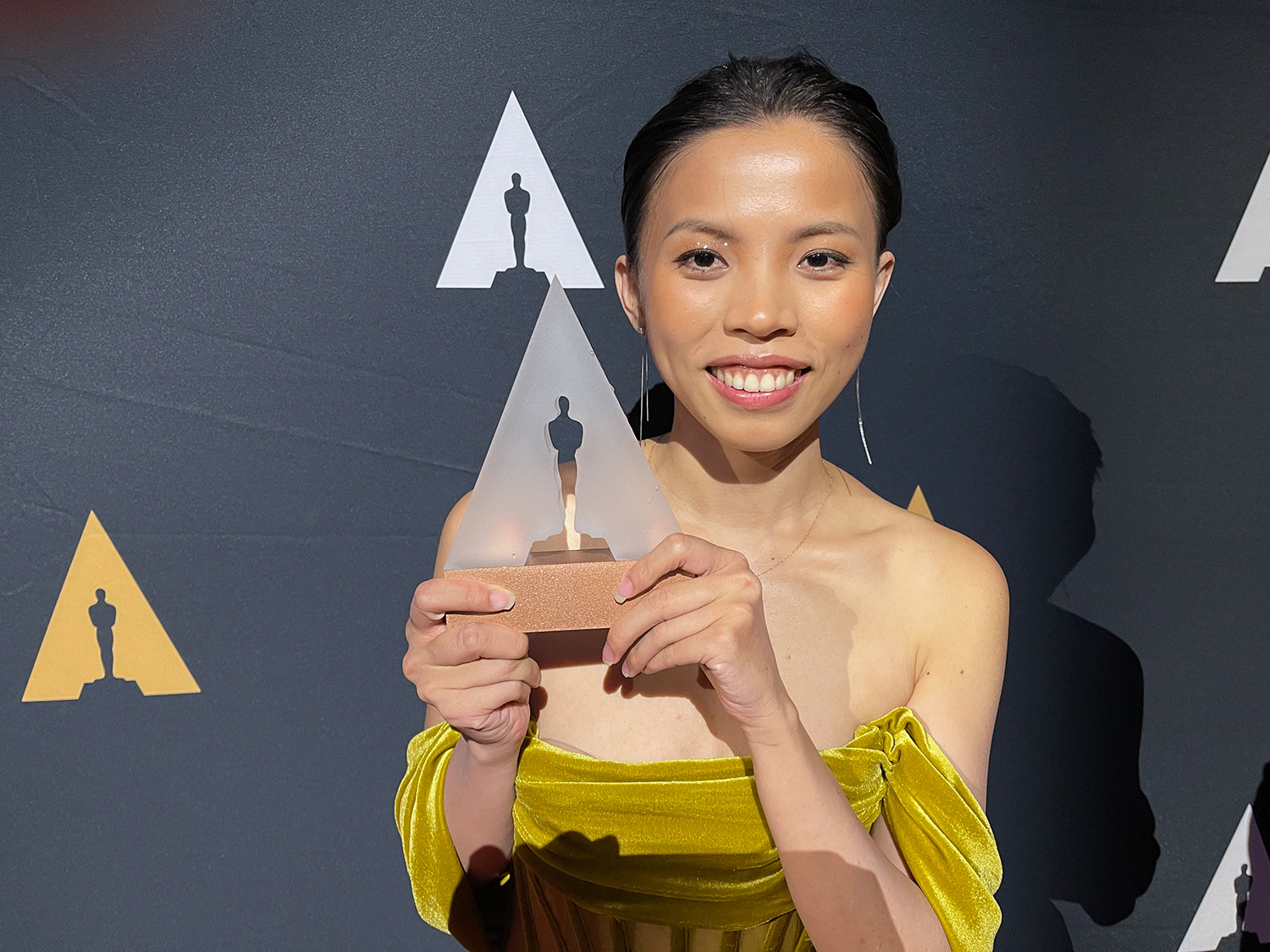
NewsDoc Student Tamar Baruch won the IDA David Wolper Student Documentary Award
Baruch directed and produced "Her Name Was Zehava".