Alumni Profiles
Nate File
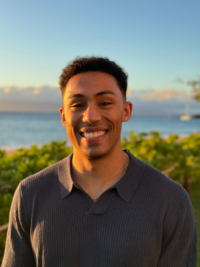
Reporter, The Philadelphia Inquirer
Lit Rep 2021
What do you do at The Philadelphia Inquirer?
I’m a breaking news reporter on our Now Team, working on general assignment and enterprise pieces. Before I joined the Now Team, I worked on the Inquirer’s Communities & Engagement desk, which highlighted local stories and people traditionally marginalized in the news.
What is the hardest part of your job?
When we’re covering tragic events we talk to people going through one of the most difficult experiences of their lives. It’s important that we give them an opportunity to talk about their loved ones and help readers understand who they were. It’s a privilege when someone does trust you with telling those stories. But it’s really hard.
What stories are you the most proud of?
Two come to mind:
The first was about truancy. There’ve been a lot of stories written about it but we wanted to explore it from the students’ side. My colleague and I interviewed several students with a history of truancy. They explained how they didn’t feel safe at school, had problems at home, or didn’t feel teachers cared about them. It’s usually never as simple as just not feeling like going to class.
Another piece was about a pickup basketball group. It calls itself “Dadball,” because the members were originally young fathers, and continued playing together into their 50s..
Where did you intern while you were in Lit Rep?
I worked for Bedford & Bowery, an offshoot of NY Magazine. It was the summer of 2020, so there weren’t many places offering traditional internships and I was grateful to get to write mostly about whatever I was interested in at the time, like police surveillance during protests.
Who did you do your mentorship with?
Kelefa Sanneh, a staff writer for The New Yorker. He has been really helpful in talking through stories and my career, during and after LitRep.
What did Lit Rep do for you?
I came to LitRep with little journalism experience, and it helped me step into this field that would have otherwise been even more difficult to enter. I got to learn from some incredible professors and deeply explore my interests, and my LitRep thesis story about homelessness in Philadelphia helped me get the job I have now.
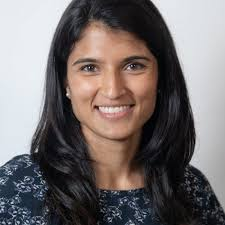 Pooja Salhotra
National Reporter and Fellow, The New York Times
Lit Rep 2022
What do you do at The New York Times?
I’m in a one year reporting fellowship program and I’m on the national desk. About 50% of what I cover is breaking news. The other part of the job is pitching stories. I’m from Texas, so I’ve done a lot of Texas-based stories that I think are relevant to our national audience.
What is the hardest part of your job?
There are a lot of hard things about being a journalist right now, especially people not wanting to talk to us because they don’t trust the media. No matter people’s political affiliation or beliefs, there’s a lot of hesitation to speak openly for fear of retaliation, whether from the government or from people on social media.
What stories are you most proud of?
There’s a story from The Texas Tribune, where I was on staff before this fellowship, that I’m really proud of. I had been writing a lot about criminal justice and I wrote about a woman whose son died while he was being held pretrial in Louisiana jail. Texas started sending their pretrial incarcerated population to Louisiana because in-state jails were overcrowded. I spent a lot of time with the mother and, while it was emotionally difficult, I was proud to tell that story really descriptively and using some of the skills I learned from Lit Rep.
Where did you intern when you were a LitRep student?
The summer between first and second year, I interned at Chalkbeat, which is a publication that covers public schools. I loved it. I was always interested in education and ended up doing my thesis on that beat. During my second year, I interned at CNN, where I wrote breaking news stories. After NYU, I interned at NPR in D.C. on their education desk.
What did LitRep do for you?
The program gave me time to explore what I am actually interested in writing about. I now understand what constitutes a topic versus a story, and the elements of a good story. Also, I had never written really long pieces and it just helped me learn how to do that.
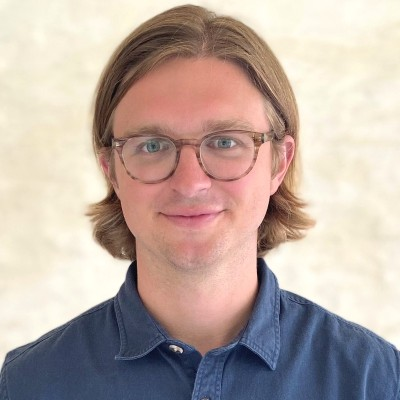 Garrott Graham
Senior Producer, Search Engine
Lit Rep 2023
What do you do at Search Engine?
We’re a small enough show that everyone is involved in everything. Which means I do a lot of research and reporting, a lot of cutting tape, a lot of editing stories. As the senior producer, I do quite a bit of air traffic controlling — coordinating producers, fact checkers, sound designers, etc. to try to make something that is both informative and entertaining.
From Lit Rep to Search Engine, take us through your journey.
During my second semester in Lit Rep, I took Ellen Horne’s Intermediate Audio Reportage class. She brought in an editor named Sruthi Pinnamaneni to guest-edit a piece I was working on, and Sruthi and I hit it off. Sruthi was working with PJ Vogt on a mini series called Crypto Island at the time and hired me as a fact-checker. From there, I followed Sruthi to a project at The Wall Street Journal where I produced an investigative series called Bad Bets that fall. We started Search Engine during my final semester in Lit Rep.
What is the hardest part of your job?
The volume that we publish at. In the current podcasting landscape, finding an audience and generating enough revenue to make things work means putting out stories at a fairly high clip. And since we all want to put out the best possible story we can on any given week, knowing when an episode is “finished” and when to move on to the next one is more art than science.
Tell us about the stories you are most proud of.
We did two episodes on a German nightclub called Berghain, which turned out to be one of the most satisfying stories I’ve ever worked on. And last spring, we put out The Stupid Little Yogurt Question, which was the first episode I hosted for Search Engine.
What did Lit Rep do for you?
I came into the program by way of corporate America, so Lit Rep was a place to figure out both what I was interested in, and what I was actually good at. It surrounded me with a lot of great, talented people, and it gave me the space and time to see what worked.
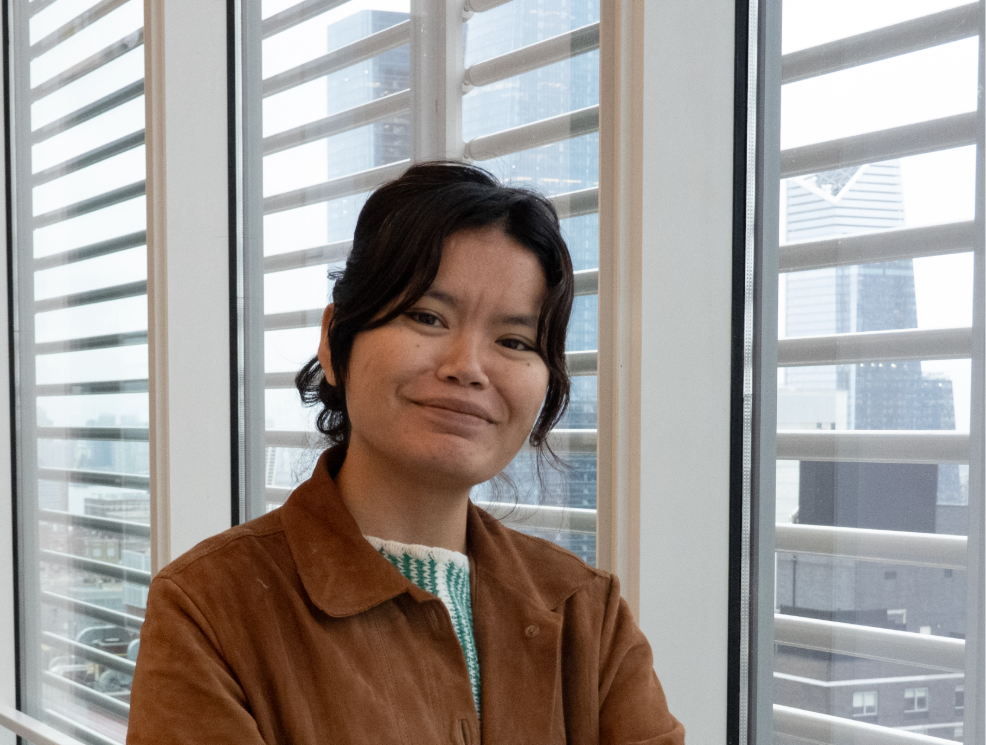 Tenzin Tsagong
Editorial Assistant in the Opinion Desk of the New York Times
Lit Rep 2022
What do you do for your job?
I work on long form, multimedia projects, with the special projects team. Sometimes I’m fact checking, sometimes I’m doing research, and oftentimes I’m reporting and finding sources for our stories. I also work on helping get our print issues out.
What do you enjoy the most about it?
Because it’s so varied and malleable, I get to work on a lot of different kinds of stories. The reporting is always fun; you get to meet people and hear about their experiences. Another thing I enjoy is a print feature we do for Sunday Opinion, where we feature new photo books or exhibitions. I’ve enjoyed speaking to photographers and learning more about the photo world.
What’s the biggest challenge of the job?
I’ve definitely woken up in a panic that I might have gotten a line wrong in a story I was checking and then immediately recheck my work again. As a fact checker, I don’t think that ever really goes away!
What did you gain from the Lit Rep?
Before Lit Rep, I had no connections to journalism. I didn’t know how to pitch, how magazines worked, or what the landscape looked like. Lit Rep was my starter kit to this world. As someone who didn’t see myself as a writer, workshops were invaluable for me and gave me confidence as a writer. I’m still really close with some of my grad school classmates, and I’m grateful for those connections I was able to make in the program.
Did you do any internships while you were part of the MFA?
I had two internships. One was at The Believer. That was my introduction to the nuts and bolts of magazines. That led me to an internship at Harper’s. Then I fact-checked a book for Lit Rep. alum Liz Flock.
What are you most proud of that you’ve done since Lit Rep?
The first project I worked on in Opinion and Special Projects was a story on Connie Chung. A writer named Connie Wong pitched an idea based on the premise that she was meeting a lot of Asian American women who, like her, were named after the television news anchor. It became this essay and we engineered a meeting between some Asian American Connies from the tri-state area and Connie Chung in our studio. That project came together beautifully. It was a feel-good story, and a fun, creative way to look at immigration and identity. Since then I’ve written a profile of Bhuchung Sonam, a Tibetan writer in India who started a small publishing company, for the Times book section. It used his life as a way of thinking about exile and statelessness, and how literature can be a substitute in some ways for the homeland.
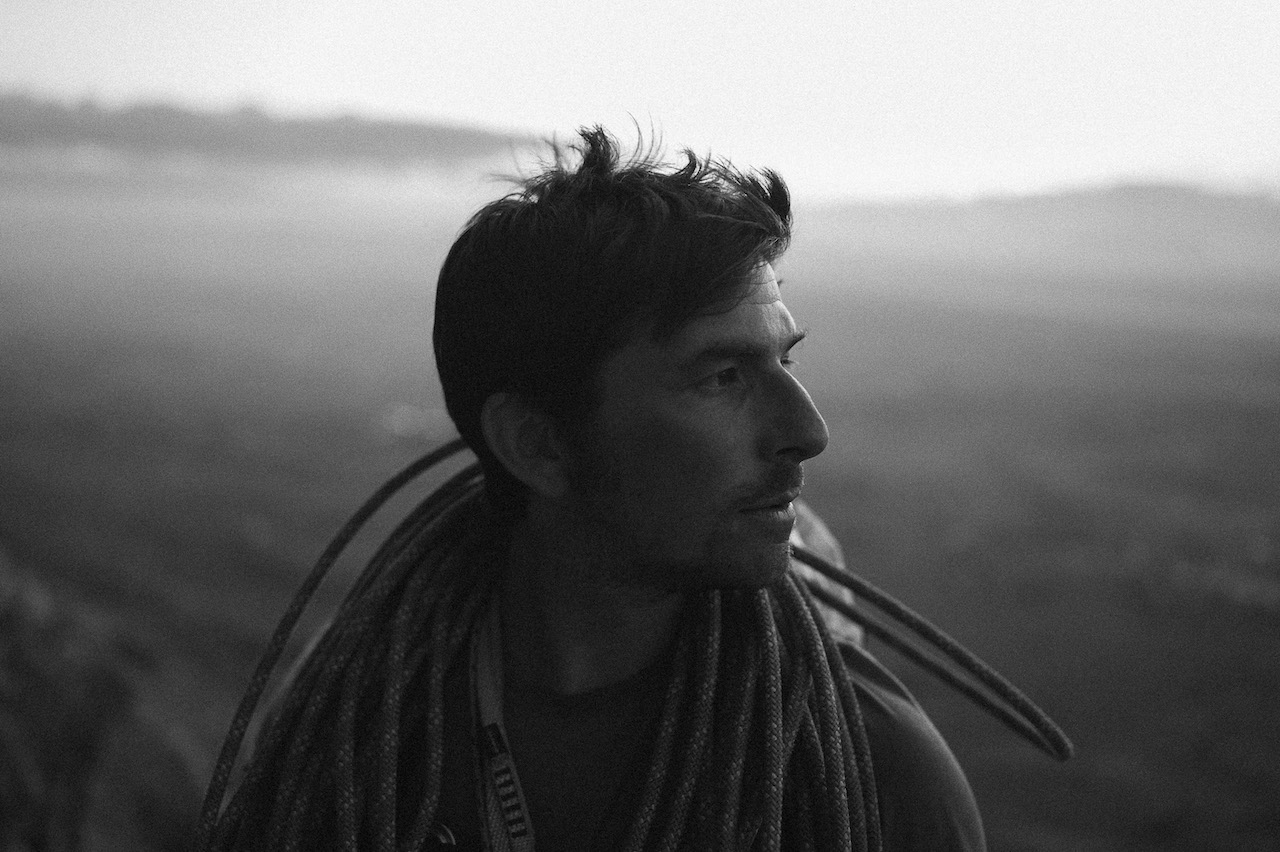 Michael Levy
Editor and Owner, Summit Journal
Lit Rep 2023
What is your job?
I edit and publish Summit Journal, which is an old climbing magazine I resurrected.
What is the hardest part of your job?
I’ve had to become a businessman and entrepreneur in this role. I wear lots of hats: editor, publisher, sometimes customer service, social media manager, dog catcher. Things you end up having to do beyond your title.
What story are you most proud of?
Probably the one that was my thesis for Lit Rep. It’s about this free solo climber who fell and died. It’s a reported piece about his life and includes some personal essay stuff weaved in as well as investigation, touching on free solo rock climbing and mental health and risk.
What did LitRep do for you?
I was pretty focused on trying to get clips from some mainstream publications and got some good ones, with some help from Whitney too. I also had time to try new beats and media, but ultimately kept coming back to writing about climbing.
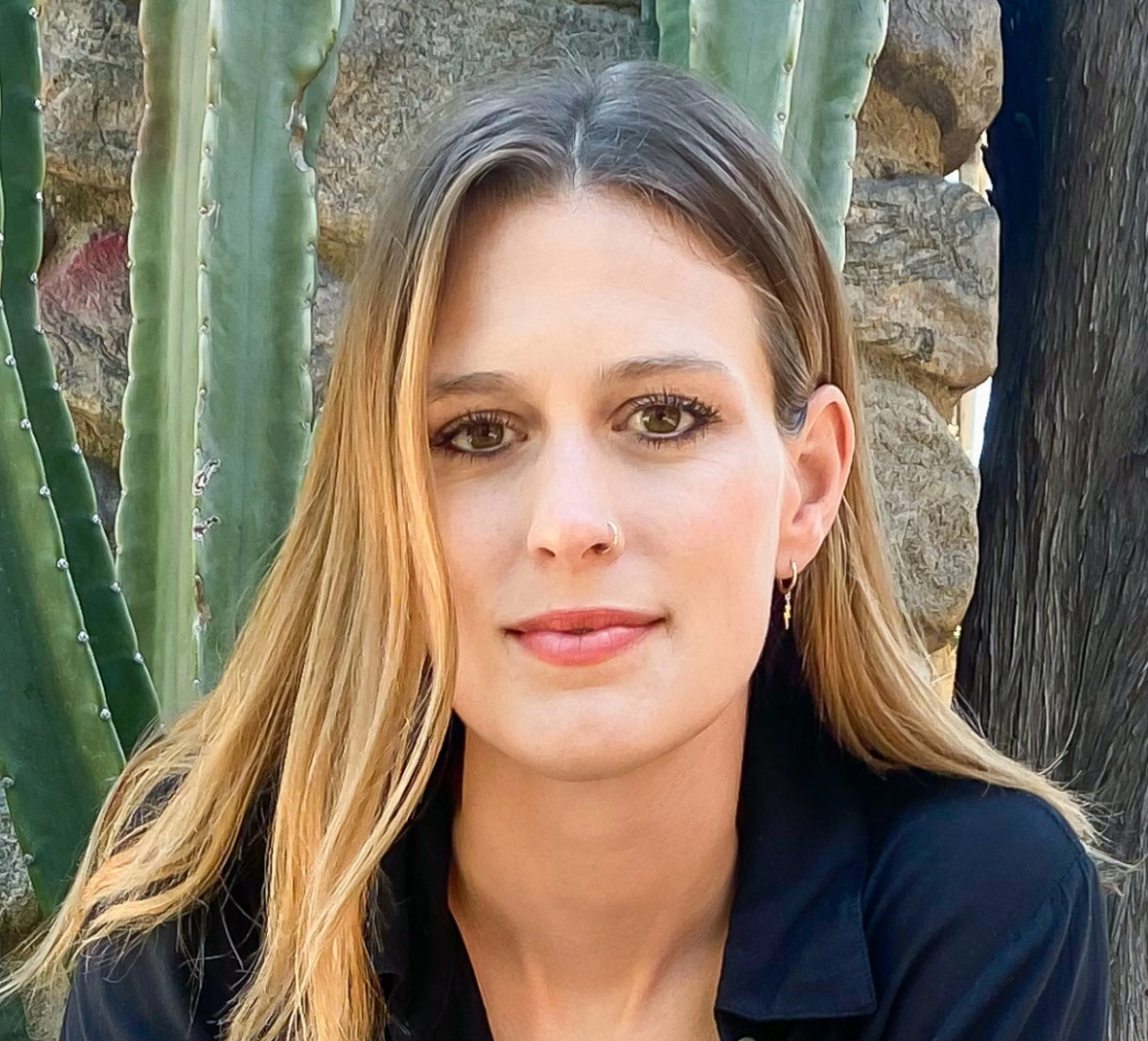 Elizabeth Flock
Lit Rep 2015
An award-winning journalist and author of two books: The Heart is a Shifting Sea: Love and Marriage in Mumbai, and The Furies: Women, Vengeance, and Justice
What is the hardest part of your job?
Covering trauma is difficult. I have to set boundaries and take care of myself as I cover topics like gender-based violence, the climate crisis and injustice. From a craft perspective, turning reporting into writing is the hardest part. So much detail is needed to weave longform narrative stories.
What stories are you the most proud of?
I’m proud of Blind Plea, a narrative podcast I reported and hosted about domestic violence and the justice system. I was struck by the intimate nature of audio as a storytelling medium.
Where did you intern while you were in Lit Rep?
I interned at Bedford + Bowery, New York Magazine’s blog.
What did Lit Rep do for you?
Lit Rep helped me shift my career from short-form blogging to substantial long-form journalism. I developed my voice, honed my writing craft, and met my book agent through the program.

J. Oliver Conroy
Political culture and feature reporter for the Guardian US
Lit Rep 2018
What is the hardest part of your job?
As a reporter who often covers the American right, it can be difficult to get conservatives to talk to me, especially because I work for The Guardian, which is a famously leftwing newspaper.
What stories are you the most proud of?
I published a 10,000 word piece about the Zizians. I did the whole thing — reporting, research, writing, editing — in about six weeks. It was one of the most Herculean things I’ve ever done. I don’t know what I was thinking.
Where did you intern while you were in Lit Rep?
I interned at Bedford + Bowery, New York Magazine’s blog.
What did Lit Rep do for you?
It was nice to be in an environment where we could really throw ourselves into our work, and then get critiqued by professors and peers. You learn a lot about your strengths and weaknesses as a writer through workshopping.
Nicole Pasulka
Senior Feature Editor, Cosmopolitan
Lit Rep 2014
What do you do at Cosmopolitan?
I don’t have a specific subject matter, and edit our more deeply reported, longer stories. I accept pitches from freelancers, and sometimes work with staff members on their stories.
What is the hardest part of your job?
The media landscape. Magazines are decreasing budgets and we don’t have the money to adequately compensate the experienced, talented freelancers we work with.
What stories are you the most proud of?
A piece about a young woman who, as a teenager, was an anti-abortion activist. She had a change of heart over some years and became more pro-choice. Then, when she was pregnant, and wanted to have an abortion, she told one of her former anti-abortion compatriots. They traveled hundreds of miles to stop her from having it, called the police, had her arrested, and said she was a danger to herself. She was sent to the hospital for a psychiatric evaluation.
Where did you intern while you were in Lit Rep?
I had a fellowship at Investigative Reporters & Editors (IRE)–at the time, Google was funding these eight-week fellowships. I also had an internship at The Atavist.
What did Lit Rep do for you?
It was nice to have a space to figure out what I am interested in. I also took a statistics class and an investigative reporting class that I really liked.
Ryan Sweikert
Podcast Producer
Lit Rep 2018
What do you do for your job?
It combines all of the skills I’ve learned over the years: audio, investigative reporting, and interviewing. And there’s a more artistic side: music and sound design, building scenes.
What is the hardest part of your job?
Like a lot of other forms of journalism, it’s editing. Going over it again, and again. You get so immersed in the story you forget what it’s like to hear it for the first time.
What stories are you the most proud of?
I worked on a podcast called The Michigan Plot with two investigative reporters. It is about the guys who tried to kidnap Governor Gretchen Whitmer. We obtained 500 hours of wiretap audio and I got to go through it all, and put it together into a show with a bunch of new interviews.
Where did you choose Lit Rep?
I always wanted to write New Journalism. I was also getting really into audio, and was one of the first students to produce an audio thesis.
Where did you intern while you were in Lit Rep?
I did sound design work for a podcast called Radio Ambulante. And I worked with Julia Barton, executive editor of Pushkin, and Raffi Khatchadourian, a New Yorker writer.
What did Lit Rep do for you?
It helped me to feel like a part of this world. Being in New York, working on stories, and taking them seriously with a cohort of people who are doing the same thing. Then meeting people through mentorships, and having the time and space to really work on something cool and interesting. That’s really rare.