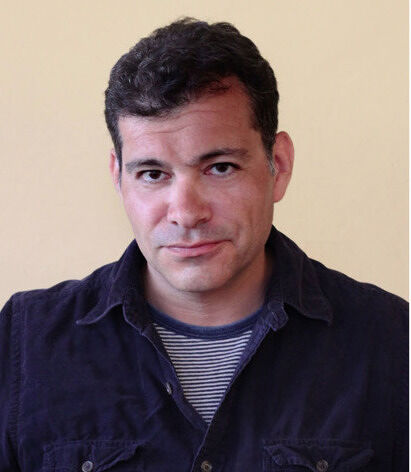
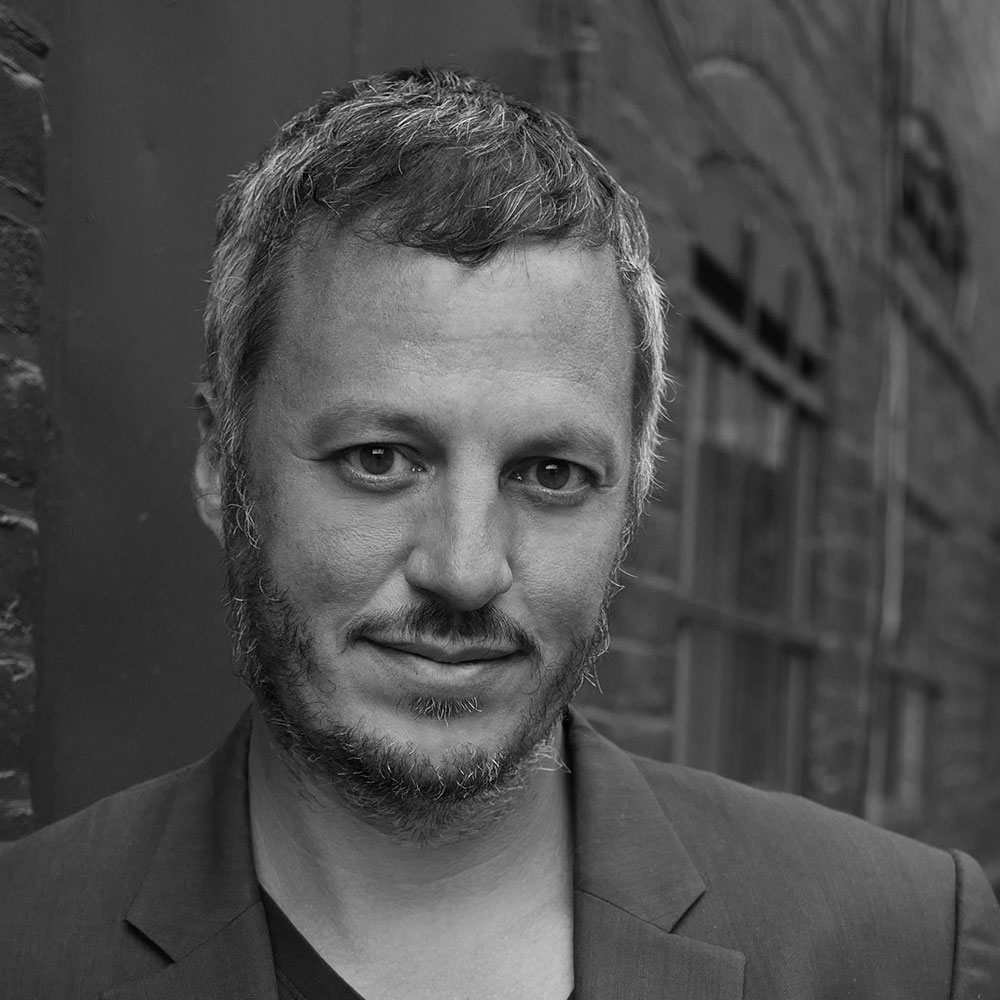
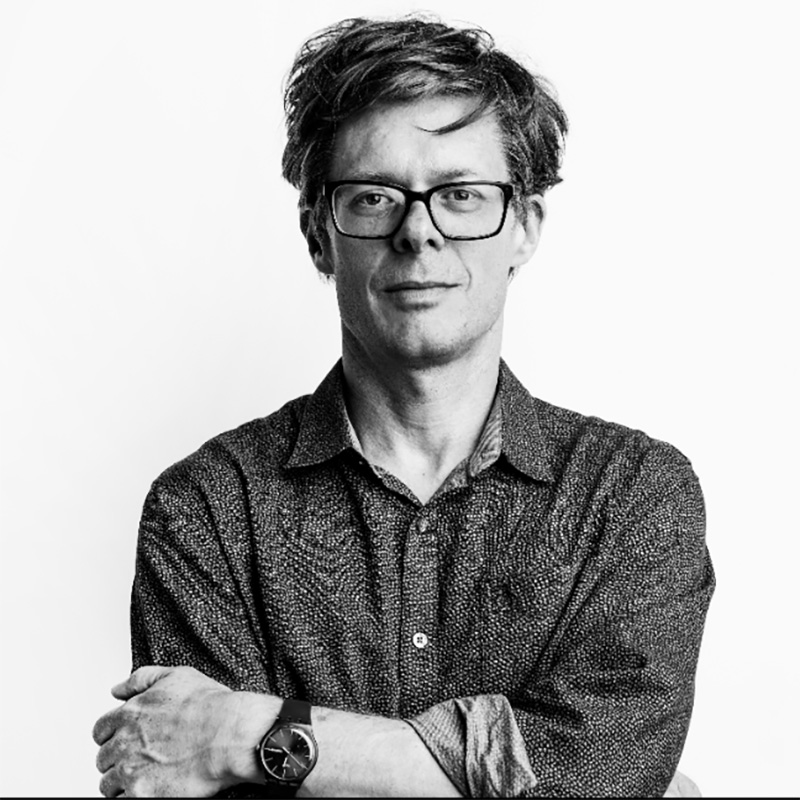
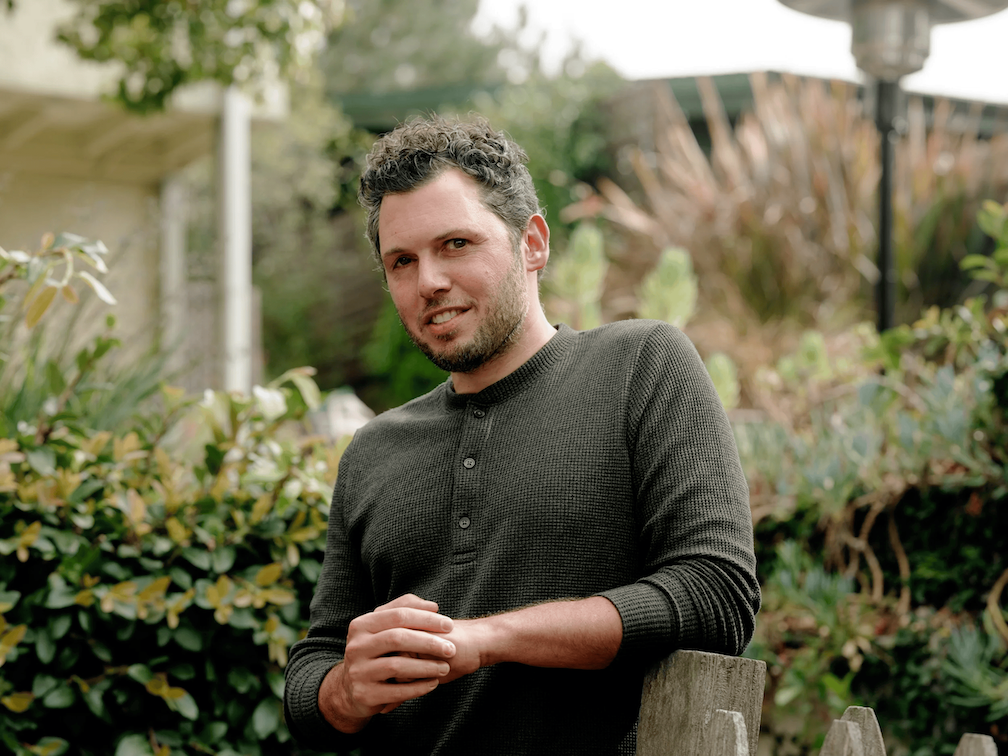
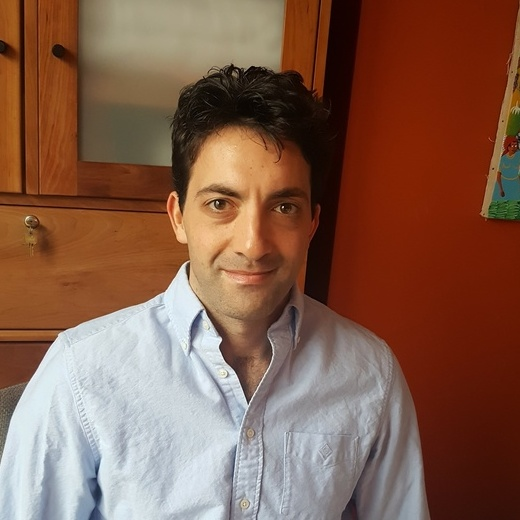
Paul BermanPaul Berman is a writer on politics and literature whose articles and reviews have appeared in The New York Times, The New Republic (where he is a contributing editor), The New Yorker, Slate, The Village Voice, Dissent, and various other American, European and Latin American journals. He has reported at length from Europe and Latin America. He has written or edited eight books, including, most recently, "Power and the Idealists: Or, the Passion of Joschka Fischer and Its Aftermath," with a new preface by Richard Holbrooke for the 2007 paperback edition; "Carl Sandburg: Selected Poems," edited with an introduction, published in 2006 by the American Poets Project of the Library of America; and Terror and Liberalism, a New York Times best-seller in 2003. His writings have been translated into fifteen languages. Berman received a B.A. and M.A. in American History from Columbia University and has been awarded a MacArthur, a Guggenheim, the Bosch Berlin Prize, a fellowship at the New York Public Library’s Center for Writers & Scholars, and other honors.
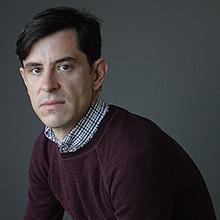
Shimon DotanShimon Dotan is an award-winning filmmaker with twelve feature films to his credit. He was born in Romania and in 1959 moved to Israel where he grew up in an agricultural cooperative, served five years in the Israeli military and received his BFA at Tel Aviv University. He has taught filmmaking and film studies at Tel Aviv University, Concordia University in Montreal and The New School University in New York. Dotan is fellow at the New York Institute for the Humanities and a member of the Writers Guild and Directors Guild of America. He presently teaches seminars on political cinema at New York University on both the graduate and undergraduate levels.
Dotan is the recipient of numerous awards including the Special Jury Prize for Best World Documentary at the Sundance Film Festival (Hot House); the Silver Bear Award at the Berlin Film Festival (Smile of the Lamb); and, twice, the Israeli Academy Award for Best Film and Best Director (Repeat Dive, Smile Of The Lamb).
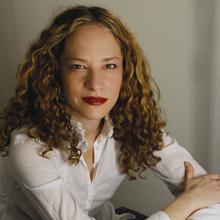
Emily Eakin has worked as the deputy editor of Lingua Franca, a reporter for the Arts & Ideas section of the The New York Times, and, from 2005-2009, as a senior editor of The New Yorker, where she edited such writers as John Cassidy, Jeffrey Toobin, Tad Friend, Dana Goodyear, Connie Bruck, and Sasha Frere-Jones.
Jill GrossmanJill Grossman has been a reporter and editor for New York City newspapers and magazines for more than a decade. She was a senior editor at City Limits magazine for several years, and before that served as editor of The Westsider and Chelsea Clinton News in Manhattan, and as managing editor of the The Riverdale Press in the Bronx; her work has also appeared in venues such as Insideschools.org and The New York Observer. She formerly worked as assistant press secretary to Manhattan Borough President Ruth Messinger. Grossman has taught news reporting and writing at Columbia University Graduate School of Journalism and Long Island University, and has been teaching at NYU since 2004.
Dennis LimDennis Lim writes about film and popular culture for various publications including The New York Times and the Los Angeles Times. He is currently Editorial Director at the Museum of the Moving Image and was formerly the film editor of The Village Voice. His work has also appeared in The Believer, The Oxford American, Blender, Spin, Espous, Indiewire, New York Daily News, The Independent on Sunday, The Guardian, and the film quarterly Cinema Scope, where he is a contributing editor. A member of the National Society of Film Critics and the editor of The Village Voice Film Guide (2006), he is working on a biography of the filmmaker David Lynch for John Wiley & Sons.
Susie LinfieldSusie Linfield is the author of "The Cruel Radiance: Photography and Political Violence" (University of Chicago Press, 2010). She writes about culture and politics for a variety of publications including The Washington Post Book World, The Boston Review, Dissent, The Nation, Guernica, The Forward, and The New Humanist; her work has also appeared in The New York Times, The Village Voice, the Los Angeles Times, Newsday, The New Yorker, Rolling Stone, and Dance Ink. Linfield was formerly the arts editor of The Washington Post, the deputy editor of The Village Voice, the editor-in-chief of American Film, and a critic for the Los Angeles Times Book Review. She has taught in the Cultural Reporting and Criticism program since its inception in 1995.
CRC director Susie Linfield's book "The Cruel Radiance: Photography and Political Violence" is a finalist for the National Book Critics Circle Award in Criticism and for the Infinity Writing Award from the International Center of Photography. The book has been widely written about and reviewed, both here and abroad; here are some of the articles, interviews, and reviews that have appeared:
The Guardian, November 16, 2010 “Photography So Good It Hurts,” by Sean O’Hagan
The New Yorker, November 29, 2010 “The Exchange: Susie Linfield on Photography and Violence,” by Ian Crouch
The New Republic.com, January 19, 2011 “Yesterday’s Heroes: Can we rescue great photojournalism?” by Jed Perl
Artforum.com, November 1, 2010 “500 Words” with Susie Linfield, by Brian Sholis
The Chronicle Review, Chronicle of Higher Education, November 12, 2010 “Don’t Look Away,” by Evan R. Goldstein, p. B18.
Bookforum.com, December 20, 2010 Review by Parul Sehgal
Times Higher Education Supplement, December 2, 2010 “Why the Camera Never Lies Idle,” by Paul Lowe
The Nation, December 13, 2010 “The Thin Artifact: On Photography and Suffering,” Frances Richard.
Wall Street Journal, Jan. 4, 2011 “Two Sides to Every Photo,” by Steven Kurutz
The National (Abu Dhabi), January 7, 2011 “The Atrocity Exhibition,” by Dave Stelfox
New Humanist, November/December 2010 “Don’t Look Away, Look Around,” by Max Houghton
Library Journal, Oct. 15, 2010 Review by Donna Marie Smith
Design Observer Group, November 29, 2010: “Holiday Books 2010,” by Editors
Eleftherotypia, (Athens, Greece), December 11, 2010. “Interview with Susie Linfield,” by Katerina Economakou [in Greek]
La Semana (Bogota, Columbia), November 27, 2010 “Ojos que sí ven,” (author not credited)
Inside Higher Ed, March 16, 2011: "Photography and Political Violence" by Scott McLemee
Haaretz, March 4, 2011 “The Role of Photojournalism in a Violent World,” by Alex Levac
The Brooklyn Rail, September 2011 “TDeath Agents,” John Bengan.
The Times Literary Supplement, March 11 2011, "Photographers of the Cruel" by Alex Danchev.
David MarcheseDavid Marchese is a graduate of NYU's Cultural Reporting and Criticism program, David Marchese is a Senior Editor at SPIN magazine. His writing has appeared in the Village Voice, New York Times magazine, GQ, and Salon.com. He lives in Brooklyn.
Suketu MehtaSuketu Mehta is a journalist and fiction writer. His nonfiction book "Maximum City: Bombay Lost and Found" won the Kiriyama Prize and the Hutch Crossword Award, and was a finalist for the 2005 Pulitzer Prize, the Lettre Ulysses Prize, the BBC4 Samuel Johnson Prize, and the Guardian First Book Award. He has won the Whiting Writers Award, the O. Henry Prize, and a New York Foundation for the Arts Fellowship for his fiction. Mehta’s work has been published in The New York Times Magazine, National Geographic, Granta, Harpers Magazine, Time, and Condé Nast Traveler. Mehta is currently working on a nonfiction book about immigrants in contemporary New York, for which he was awarded a 2007 Guggenheim fellowship.
Ben RatliffBen Ratliff is a staff critic at The New York Times, where he has been writing about jazz and pop music since 1996. He is the author of three books, including "Coltrane: The Story of a Sound" (FSG, 2007), which was a finalist for the National Book Critics Circle Award in criticism. His writing has appeared in Granta, Rolling Stone, Spin, The Village Voice, Slate, Lingua Franca, and other publications.
Charles TaylorCharles Taylor has written on movies, books, popular culture and politics for a variety of publications including the New York Times, Salon.com, the Los Angeles Times, Newsday, Dissent, The Nation, the New Yorker, the New York Observer, Lapham's Quarterly and others. A member of the National Society of Film Critics, Taylor has contributed to several of the Society's volumes, and his work appears in Best Music Writing 2009. He has taught journalism and literature courses at the New School and the Columbia School of Journalism.
Lawrence WeschlerLawrence Weschler, a graduate of Cowell College of the University of California, Santa Cruz, has been, since the early '80s, a staff writer for The New Yorker, where his work has shuttled between political tragedies and cultural comedies. He is a two-time winner of the George Polk Award (for Cultural Reporting in 1988 and Magazine Reporting in 1992) and was recently granted a Lannan Literary Award. His books of political reportage include "The Passion of Poland" (1984); "A Miracle, A Universe: Settling Accounts with Torturers" (1990); "Calamities of Exile: Three Nonfiction Novellas" (1998), and the forthcoming "Vermeer in Bosnia." His "Passions and Wonders" series currently comprises "Seeing is Forgetting the Name of the Thing One Sees: A Life of Contemporary Artist Robert Irwin" (1982); "David Hockney's Cameraworks" (1984); "Mr. Wilson's Cabinet of Wonders" (1995); "A Wanderer in the Perfect City: Selected Passion Pieces" (1998); and "Boggs: A Comedy of Values" (1999). He has taught, variously, at Princeton, Columbia, UCSC, Bard, Vassar, and Sarah Lawrence, and is a contributing editor of McSweeney's and Threepenny Review.